

Satisfaction Guarantee
Heavy Duty Truck Service
4318 Hardwood st Fremont, California
Connect with
Mon - Fri: 8am - 6pm
Sat - Sun: Closed
Dallas Heavy Duty Service
(469) 405-2774

Emergency Repair 03/6/26
What Causes Emergency Truck Breakdowns
Common Mechanical Failures Behind Emergency Truck Breakdowns
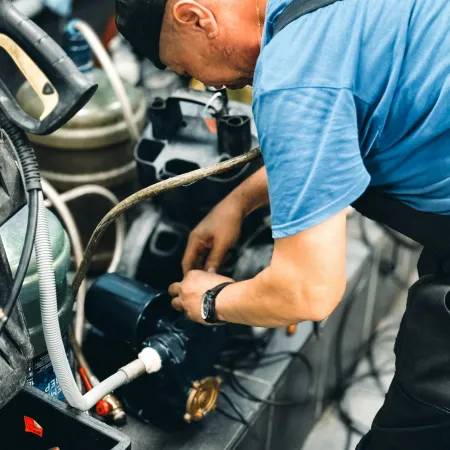
Emergency truck breakdowns on Dallas highways often start with mechanical issues that worsen over time and fail without warning. Cooling system problems are common in extreme Texas heat. Radiator leaks, worn hoses, failing water pumps, and clogged coolant passages can quickly cause overheating. Brake system failures also trigger emergency stops, including air leaks, damaged hoses, worn brake chambers, and slack adjuster problems.
Tire failures are another major reason for roadside assistance calls. Underinflated tires, uneven tread wear, and road debris increase blowout risks on busy freight routes. Fuel system issues, such as clogged filters or injector problems, can also cause sudden power loss, requiring immediate roadside repair.
Why Dallas Traffic and Heat Cause Truck Breakdowns
Dallas highway conditions place added stress on heavy-duty trucks, increasing the chance of emergency breakdowns. Constant stop-and-go traffic forces frequent braking, which accelerates wear on brake components and air systems. Long idle periods near distribution centers strain cooling systems and electrical components, especially when multiple accessories are running. High ambient temperatures make engines work harder, pushing cooling systems and belts closer to failure during peak travel hours.
Long-haul trucks entering Dallas often arrive with extended mileage already on critical components. Belts, hoses, and tires that were marginal before reaching the city may fail once traffic slows. Construction zones and congestion increase heat buildup and reduce airflow through radiators. These factors explain why many Dallas emergency truck repair calls involve vehicles that were operating normally earlier in the trip.
Preventative maintenance reduces these risks significantly. Routine inspections, fluid checks, and component replacements help fleets identify problems before trucks reach heavy traffic areas. Mobile truck maintenance allows fleets to service vehicles without removing them from daily routes.
How Mobile Truck Repair Reduces Emergency Downtime
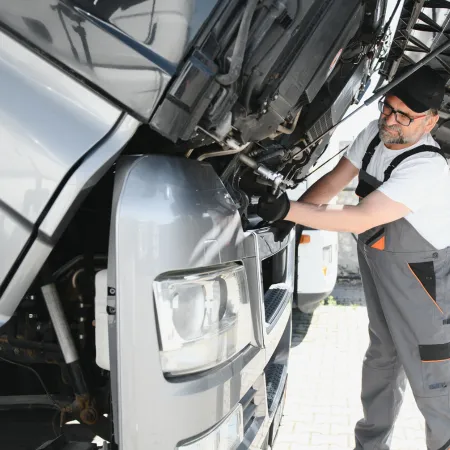
Emergency mobile truck repair plays a critical role when breakdowns occur on Dallas highways and freight routes. Instead of waiting for towing, mobile technicians respond directly to the truck’s location with tools and diagnostic equipment. On-site diesel diagnostics quickly identify engine faults, electrical failures, and emissions issues, allowing repairs to start sooner. Faster response times reduce traffic exposure and improve driver safety during emergency roadside truck service situations.
Common roadside repairs include cooling system fixes, brake air leak repairs, battery replacements, fuel system service, and electrical troubleshooting. These mobile repairs often eliminate the need for towing altogether. Dallas emergency truck repair services help drivers return to service faster, limit delivery delays, and control repair costs. For fleets, mobile truck repair also reduces downtime and supports better maintenance planning across high-traffic Dallas routes.
Emergency response speed matters when freight schedules are tight. Mobile truck repair shortens downtime by servicing trucks where failures happen, whether on highways or industrial routes. Fleet managers benefit from fewer missed deliveries and lower recovery costs. Pairing emergency repair with preventative fleet maintenance programs reduces breakdown frequency, keeps trucks road-ready, and limits unexpected roadside failures across Dallas freight corridors.
For carriers operating across the Dallas metro area, every hour a truck sits idle can ripple through dispatch schedules, warehouse appointments, and customer commitments. Mobile technicians equipped with diagnostic tools and common replacement parts can often resolve issues on the shoulder, in distribution yards, or at loading docks without towing the vehicle. That faster response keeps freight moving and drivers safer. Over time, combining rapid roadside service with scheduled inspections, fluid checks, and component monitoring builds a more resilient fleet that spends less time stranded and more time delivering.
Get our latest news/promos
QUALITY ASSURED


SATISFACTION GUARANTEED

UNPARALLELED SUPPORT
Dallas Heavy Duty Service
Proud Member



Social Media
Payments Accepted